|
 Development, Sustainability and Environment
A United Nations University Institute of Advanced
Studies/RCE North East project being
carried out as part of the North East
Education for Sustainable Development (ESD) initiative
the great northern debate
is an ESD project focused on a variety of topics including:
Energy generation, Developing Countries, Climate Change,
Sustainable Education (Education, education, education?),
Genetic modification and ‘What does sustainability mean?’
|
Recent Projects
great northern youth voices
Big Lottery / Dulverton Trust funded documentary-making training and production
project for young people not in employment, education or training.
Citizen Journalism starts here!
More ...
Engineering
Transmission Using Deliberative Events
ETUDE
was a project funded by
Royal
Academy of Engineering as part of the Ingenious
grant scheme which engaged engineers in dialogue with the
general public in order to improve understanding the intersection of
technology with human values and behaviour.
More ...
Big Lottery funded Citizen Journalism project run in partnership with NECTER and
Great North Festival.
More ...
Sustained Engagement
Public engagement project funded under the
Royal Academy of Engineering Ingenious scheme involving engineers
in conversation with the public.
|
the great northern debate
project, which is an extension of the established series
The Great Debate:
Development, Sustainability and Environment,
delivers public workshops and debates, courses in schools, and action research
into improving educational practice through discussion based learning.
the great northern debate
has been recognised by the
United Nations University Institute of Advanced Studies
as a
Regional Centre of Expertise in EfSD project.
The project includes
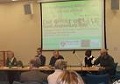
Workshops and debates
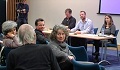
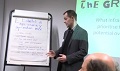
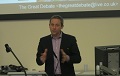
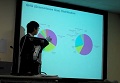
An ongoing series of public discussions/workshops
on the topics above. The aim is to generate new
shared understanding of the issues and realities of the topics through public debate open
to all. This element of the project reflects the ongoing commitment by
The Great Debate, NECTER/RCE North East
and their partners to bringing top quality
speakers to the North East to deliberate in an open manner on the issues of the day.
The Great Debate schools programme
A series of courses held in local schools. The aim is to develop an innovative
interdisciplinary discursive approach to teaching young people about
sustainable development
and to use this to develop in the students the confidence and skills required to
make informed
judgements about scientific and social issues related to sustainable development.
This approach
has the potential to be applied to any subject area providing a link between
the research community, schools and other sectors.
Experts from industry, the research community and the informal sector
engage with school-age students
to disseminate their knowledge and understanding of the topic.
The students themselves get involved in debates, making the cases for
and against chosen proposals.
Participatory Action Research
The third element of the project is Participatory Action Research
(PAR) aimed at improving educational practice
through discussion-based learning. This element of the project is linked to the
workshops, public discussions and courses described above.
Top of page
|